05Treatment
Crownswith Dr. Hana Whitlock, Prosthodontist
A crown covers the whole visible part of a tooth. It holds a cracked or heavily filled tooth together and lets it bite normally again, and in the front of the mouth it can change the tooth’s shape and shade. Crowns are also how a bridge is made: a false tooth joined to crowns on the teeth either side of a gap.
- From
- $1,350per tooth
- Time
- 2 visits about 2 weeks apart
What it involves
Two visits about two weeks apart: one to shape and scan the tooth, one to fit the crown.
- 1
Check
An exam, and an X-ray if we don’t have a recent one, to make sure the root and nerve are healthy enough for a crown.
- 2
Shape and scan
Under local anesthetic, the tooth is shaped and scanned. You leave with a temporary crown.
- 3
Make
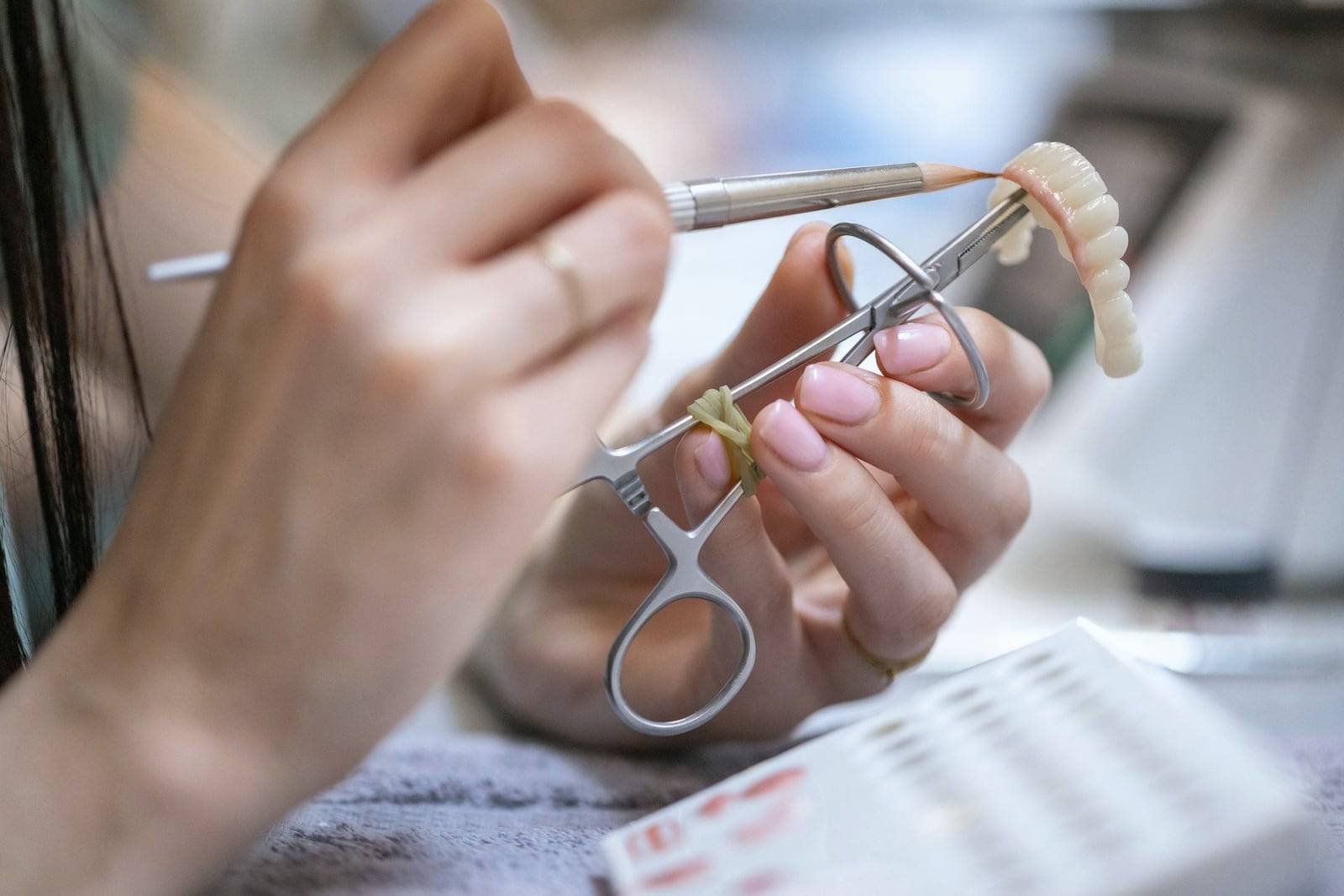
A dental lab makes the crown from the scan in all-ceramic material, shaded to the teeth beside it.
- 4
Fit
The crown is tried in, adjusted, fixed in place and checked against your bite.
What it costs
From $1,350 per tooth. Your fee comes in writing at the consultation, before anything starts.
- The “from” fee covers
- Shaping the tooth, a temporary, an all-ceramic crown and fitting.
- May add to it
- An X-ray, a core build-up where too little tooth is left, or root canal treatment if the nerve needs it.
- What changes the fee
- The material, and how much of the tooth needs rebuilding first.
- About this fee
- This is a minimum fee: charges may be higher depending on the treatment you need. It applies to treatment planned between November 1, 2026 and June 30, 2027. The consultation is free and is never added to it.
Paying over time is possible: how financing works.
Risks and limits
- The tooth has to be reshaped, and that can’t be undone.
- Now and then the nerve of a crowned tooth becomes inflamed later and needs root canal treatment.
- Ceramic can chip, and grinding shortens a crown’s life.
Who it suits
A tooth that is cracked, broken, worn down, or more filling than tooth. A small chip may only need bonding, and a back tooth with a large filling sometimes suits a partial crown (onlay) that keeps more of the tooth.
Other ways to get there
- Bonding or a filling, for a small chip or a small cavity.
- An onlay, covers only the damaged part of a back tooth.
- A veneer, for a front tooth that is healthy but the wrong shape or shade.
Questions
Will my insurance cover a crown?
Many dental plans pay part of a crown that’s needed for the tooth’s health. We check your plan and show the estimated split on your written estimate.
Will it match my other teeth?
The lab matches the shade from photos and a shade guide. For a front tooth, you approve the shade before the crown is made.
See your plan before you decide.
A free 45-minute consultation: a 3D scan, the options on your own teeth, and the fee in writing.